


Lipstick Plant (Aeschynanthus 'Caroline') | 25–30 cm
Description
The Lipstick Plant is a charming trailing houseplant that earns its name from the way its vivid red-orange flowers emerge from dark, tube-shaped calyxes — like miniature lipstick tubes. With cascading stems and glossy foliage, it brings colour, movement, and personality to hanging baskets, high shelves, and elevated planters.
Key Features
- Unique flowering habit — Tubular red-orange blooms emerge from dark burgundy calyxes, creating a striking two-tone display
- Trailing growth — Cascading stems drape gracefully from shelves and hanging planters, adding vertical interest
- Glossy, evergreen foliage — Thick, waxy leaves remain attractive even between flowering periods
- Repeat bloomer — Produces multiple flushes of flowers throughout the year when given proper light
- Compact starter size — At 25–30 cm, it settles in quickly and begins trailing within weeks of placement
Why It Works in Dubai
The Lipstick Plant's tropical origins mean it thrives in the warm, consistent temperatures of UAE interiors. It appreciates bright, indirect light — the kind that floods through most Dubai apartment windows. While it prefers higher humidity, a regular misting routine or placement in a well-lit bathroom keeps it flowering prolifically.
Care Snapshot
| Light | Bright indirect light; some gentle morning sun encourages flowering |
| Water | Water when the top 1–2 cm of soil dries; keep lightly moist, never waterlogged |
| Humidity | Moderate to high; mist regularly or group with other plants |
| Temperature | 18–28 °C; avoid cold draughts and sudden temperature changes |
| Skill Level | Intermediate |
What You'll Receive
One healthy Lipstick Plant (Aeschynanthus Caroline), approximately 25–30 cm, in a nursery grow pot with trailing stems and glossy foliage.
Disclaimer
Colours and textures may vary slightly from images. Each plant is unique — expect minor natural variation in size, shape, and leaf pattern. Pots shown in images are for display purposes only and are not included unless stated. Delivery is kerbside; please arrange assistance for heavier items.
- Pet-safe
Care guide for Lipstick Plant (Aeschynanthus 'Caroline') | 25–30 cm
- Where to place it
- Indoor only - bright spot away from direct AC vents.
- Pet & child safety
- Pet-safe - non-toxic to cats and dogs
Healthy Arrival Guarantee
Every plant is hand-picked and inspected at our Dubai nursery before dispatch. If your plant arrives damaged or unhealthy, send us a photo within 48 hours of delivery and we will replace it, free of charge.
Plants are living things. Exact height, leaf count and shape may vary slightly from the photo. Sizes refer to the plant including its nursery pot.
How to keep your plant thriving
A quick read on what your plant needs at home.
Pairs well with
Pots and companions chosen to work with your plant.
We're still curating recommendations for this product.
Want help pairing? Our team can suggest the right match - message us on WhatsApp.Invite Nature into Your Spaces
Every plant in our garden center is hand-picked to handle UAE conditions: long summer heat, dry indoor air from constant AC, and the humidity shifts between seasons. Our horticultural team has been growing for Dubai and Abu Dhabi homes for 25+ years, the same nursery and the same standard whether the plant is going to a villa garden or a fifth-floor apartment.
-
 Hand-picked for UAE homes
 -
 25 years of UAE expertise
 -
 Care guide included
 -
 Free delivery over AED 99


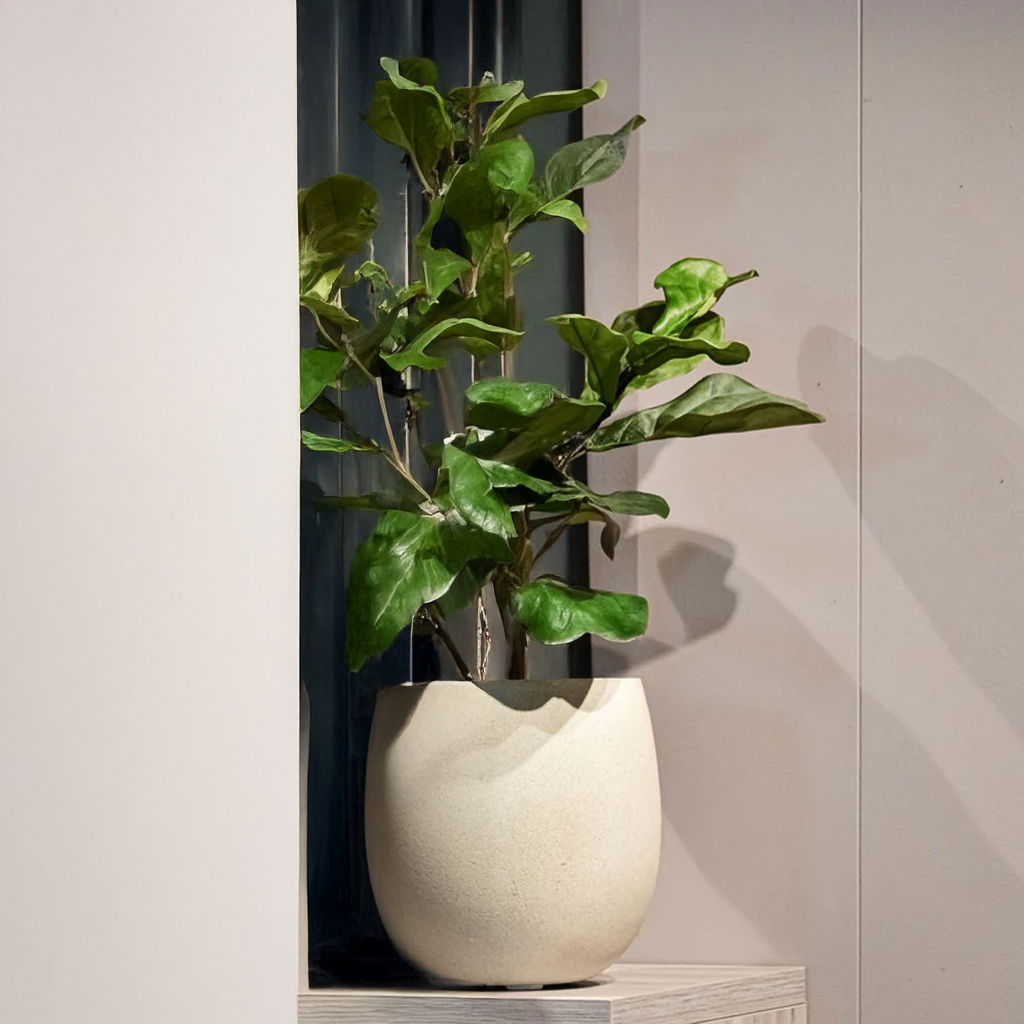
Charming Indoor Plants
Indoor Plants bring life and elegance to your living spaces, enhancing both style and atmosphere. Perfect for homes, offices, and interiors of all kinds, these plants are carefully chosen to thrive indoors, adding a touch of natural beauty to any room.
With a wide variety of species, sizes, and styles, there’s an ideal indoor plant to suit every taste and environment. From lush greenery to delicate foliage, these plants are designed to complement any decor while purifying the air and creating a calming ambiance.
Known for their exceptional quality and easy maintenance, Indoor Plants are perfect for beginners and seasoned plant lovers alike. Transform your interiors into vibrant, healthy spaces with the timeless charm of Indoor Plants.
Get Inspired


Frequently Asked Questions
Are indoor plants easy to care for?
Yes, most indoor plants are low-maintenance and require minimal watering and care. Specific needs may vary by plant type, so it’s best to follow care instructions provided.
Do indoor plants improve air quality?
Many indoor plants are known to purify the air by removing toxins and increasing oxygen levels, contributing to a healthier indoor environment.
Which indoor plants are best for low light conditions?
Plants like Snake Plant, ZZ Plant, and Pothos thrive in low light and are ideal for dimly lit spaces.
How often should I water my indoor plants?
Watering frequency depends on the plant species, pot size, and environmental factors. Generally, water when the top inch of soil feels dry to the touch.
Can indoor plants grow in artificial light?
Yes, many indoor plants can adapt to artificial light sources like LED grow lights or fluorescent lighting, making them suitable for spaces without natural sunlight.
-

Website Exclusive - Free Delivery
Delivery Within 24–48 Hours at Your Doorstep
-

Quality Guaranteed
Free replacement if you receive a defective item during delivery
-

25 Years of Trust
Acacia is part of Tanseeq Investment Group
-

WhatsApp Support
Have questions? WhatsApp us anytime


